In recent years, the rise of the darknet has transformed the landscape of illegal trade, particularly in drugs. This hidden part of the internet provides a veil of anonymity for both buyers and sellers, allowing individuals to engage in illicit activities without the immediate threat of law enforcement intervention. The darknet drug dealer operates in this shadowy ecosystem, navigating complex networks and employing various tactics to maintain their operations. This article delves into the world of darknet drug dealers, exploring their methods, motivations, and the broader implications for society.
Understanding the Darknet
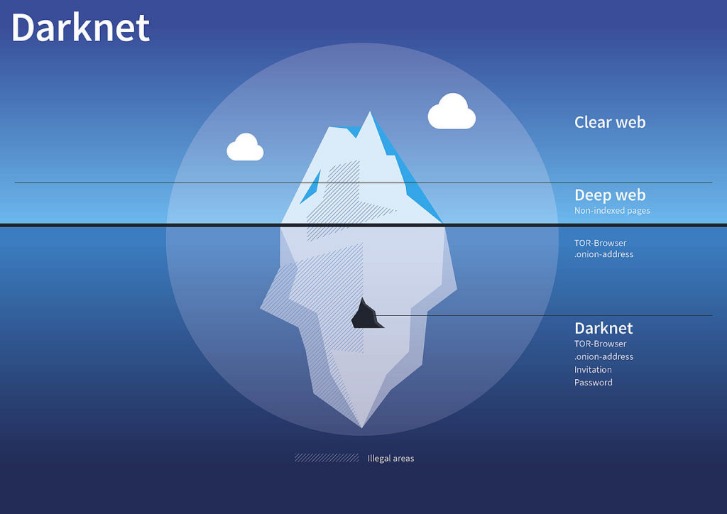
The darknet refers to parts of the internet that are not indexed by traditional search engines and require specific software, configurations, or authorization to access. The most well-known software used to access the darknet is Tor, which anonymizes user identities and locations. Within this space, darknet drug dealers flourish, creating marketplaces for various illegal substances.
Roman assisted his co-conspirators by pressing counterfeit Adderall pills, packaging them, and distributing drug orders into the mail using the U.S. Both defendants further admitted to distributing fentanyl-laced pills to two additional victims, both of whom suffered fatal drug overdoses shortly after they received the pills from Ta and Srinivasan. Srinivasan received virtual currency as payment for the drugs and then routed that virtual currency through cryptocurrency exchanges.
Tim Draper bought the bitcoins at the auction with an estimated worth of $17 million, to lend them to a bitcoin start-up called Vaurum which is working in developing economies of emerging markets. Alford searched for any mentions of the .onion URL or .tor address, stating that someone might have advertised or suggested the marketplace on Google. Senator Chuck Schumer asked federal law enforcement authorities to shut it down, including the Drug Enforcement Administration (DEA) and Department of Justice. Silk Road was an online black market and the first modern darknet market. Cryptomarkets may therefore be diffusing a wide range of substances into local offline drug markets. Researchers also found that a quarter of listings were priced above £768 ($1,000), implying that many dealers were using online markets to buy in bulk for offline sale.
The Appeal of Darknet Drug Dealing
- In all, researchers estimate that cryptomarkets generated a total monthly revenue of between £9.2m ($12m) and £16m ($21m) in January 2016, or several million more when the prescription drugs, alcohol, and tobacco which were also found for sale are included.
- As part of the dark web, Silk Road operated as a hidden service on the Tor network, allowing users to buy and sell products and services between each other anonymously.
- The seizures brought in lots of traffic to other markets making TradeRoute and Dream Market the most popular markets at the time.
- The market is worth some $150 million a year—a small fraction of the $300 billion estimated worth of the global trade in illegal drugs—but it is growing rapidly.
- According to 2019’s Global Drug Survey, the number of users who bought drugs on the darknet has doubled to nearly 28.6 percent since 2014.
There are several reasons why individuals become darknet drug dealers:
- Anonymity: Both buyers and sellers are shielded from traditional law enforcement.
- Access to a larger market: Sellers can reach customers far beyond their local area.
- Limited risk of physical confrontation: Transactions occur online, reducing the risk of violence associated with street dealing.
- Potential for high profit margins: By controlling the supply chain, dealers can charge premium prices.
Operational Tactics of Darknet Drug Dealers
To sustain their illicit trade, darknet drug dealers often employ a range of strategies:

- Use of Cryptocurrencies: Transactions are typically conducted using cryptocurrencies like Bitcoin, which offer additional layers of anonymity.
- Decentralized Marketplaces: Dealers set up shop on multiple platforms to avoid detection by authorities.
- Reputation Systems: Many marketplaces have feedback systems that allow users to rate dealers, enhancing trust without personal identification.
- Packing and Shipping: Sellers often use discreet packaging and mailing techniques to avoid drawing attention.
Consequences of Darknet Drug Trade
The activities of darknet drug dealers have significant ramifications for communities and individuals:
- Increased Addiction Rates: Easier access to drugs can lead to higher addiction rates and adversely affect public health.
- Impaired Law Enforcement Efforts: The anonymity provided by the darknet complicates law enforcement efforts to combat drug trafficking.
- Financial Implications: Local economies can suffer as law enforcement and healthcare costs increase due to drug-related issues.
FAQs about Darknet Drug Dealers
What types of drugs can be found on the darknet?
Darknet drug dealers typically sell a variety of substances, including:
- Stimulants: Cocaine, methamphetamine, and ecstasy.
- Depressants: Heroin and prescription opioids.
- Psychedelics: LSD, psilocybin mushrooms, and MDMA.
- Research chemicals: Often unregulated and unknown substances that mimic well-known drugs.
How do authorities combat darknet drug dealing?
Law enforcement agencies employ various strategies to disrupt darknet drug dealers, including:
- Undercover Operations: Agents may pose as buyers to infiltrate darknet marketplaces.
- Blockchain Analysis: Analyzing cryptocurrency transactions can help trace illegal activities.
- International Cooperation: Collaborations with international agencies to close down major darknet platforms.
- Public Awareness Campaigns: Raising awareness about the dangers of drugs obtained online.
The world of darknet drug dealers represents a complex interplay between technology, crime, and society. While their operational tactics may evolve, the underlying issues of addiction, economic strain, and public health continue to challenge communities worldwide.