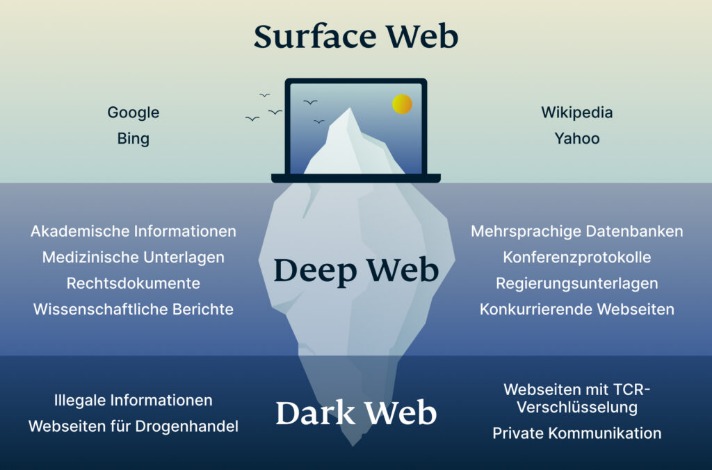
The darknet, a hidden part of the internet not indexed by traditional search engines, has gained significant attention in recent years. It serves as a platform for a variety of activities, both legal and illegal. Among the myriad of sites operating within this shadowy realm, darknet addresses play a critical role in connecting users to these obscure networks. This article explores darknet addresses, their formats, uses, and the implications of engaging with such content.
In 2025, it hosts over 2.5 million active users daily, with markets facilitating billions in cryptocurrency transactions annually. This guide provides verified .onion links, market stats, and expert insights into Tor and Monero usage as of February 21, 2025. The darknet in 2025 is a thriving, evolving ecosystem of anonymous marketplaces accessible via Tor. Everything is well-organized and easy to find, which benefits newcomers to this environment.With a growing user base and an expanding inventory, Vortex is positioning itself as an “all-in-one” marketplace on the darknet.
Also referred to as “non-indexed” content, it’s any content hidden behind some kind of access control such as a log-in or code word. You can’t access these .onion sites from your normal web browser like the one you’re probably viewing this page on. While its .onion address doesn’t make it much easier to maintain an anonymous account, it does make Facebook more accessible in places where it’s censored. As always, use Tor Links with care, as it includes onion links to dubious or illegal activity. Many of those dark web links are defunct, and even more of them link to scams or potentially illegal activities. Unlike Ahmia and Haystak, however, DuckDuckGo doesn’t search .onion sites.
Understanding Darknet Addresses
These sites are a hybrid tutorial-underground where wannabe hackers ask questions and professionals sell their services or stolen data. With the onion browser, you can access ordinary HTTPS websites on the web. Although it’s no longer active, it’s setting the standard for coming onion links. Unlike other search engines, it does not collect or share web activities and personal data of users. Thankfully, some useful sites can help you circumnavigate the dark web landscape as you search for the best content. It has onion links you cannot access with regular browsers like Chrome, Firefox, Edge, or Safari.
Darknet addresses typically use the Tor network to allow users to browse anonymously. These addresses often consist of a string of alphanumeric characters followed by the ".onion" domain. This unique format, such as example1234.onion, is only accessible through the Tor browser, which masks users' identities and locations, providing a level of privacy not available on the surface web.
Legal and Illegal Uses
Functioning as a double-edged sword, darknet addresses facilitate both legitimate uses and illicit activities. For example, some sites provide valuable information for whistleblowers and journalists looking to share sensitive content without revealing their identities. On the other hand, the darknet is infamous for illegal marketplaces where drugs, weapons, and stolen data can be bought and sold.
Navigating the Darknet
- This way, you can protect yourself from websites that want to steal your login details or cryptocurrency.
- You can also use it within the dark web, as it has .onion links.
- It means you cannot access websites on the dark web with regular browsers like Firefox or Chrome.
- Quality and validity of the data it provides justify its higher cost over other marketplaces.
- Archiveiya74codqgiixo33q62qlrqtkgmcitqx5u2oeqnmn5bpcbiyd.onion
- In addition, Darknetlive has a list of dark web vendors, which is very convenient — it offers detailed information about each vendor, including .onion addresses (in alphabetical order) and FAQs.
Accessing darknet addresses requires specific software, primarily the Tor browser. Once installed, users can explore various sites with the added anonymity that the darknet provides. However, it’s important to exercise caution, as many darknet addresses can lead to harmful content or scams. Engaging with these websites carries inherent risks, including exposure to malware and legal consequences.
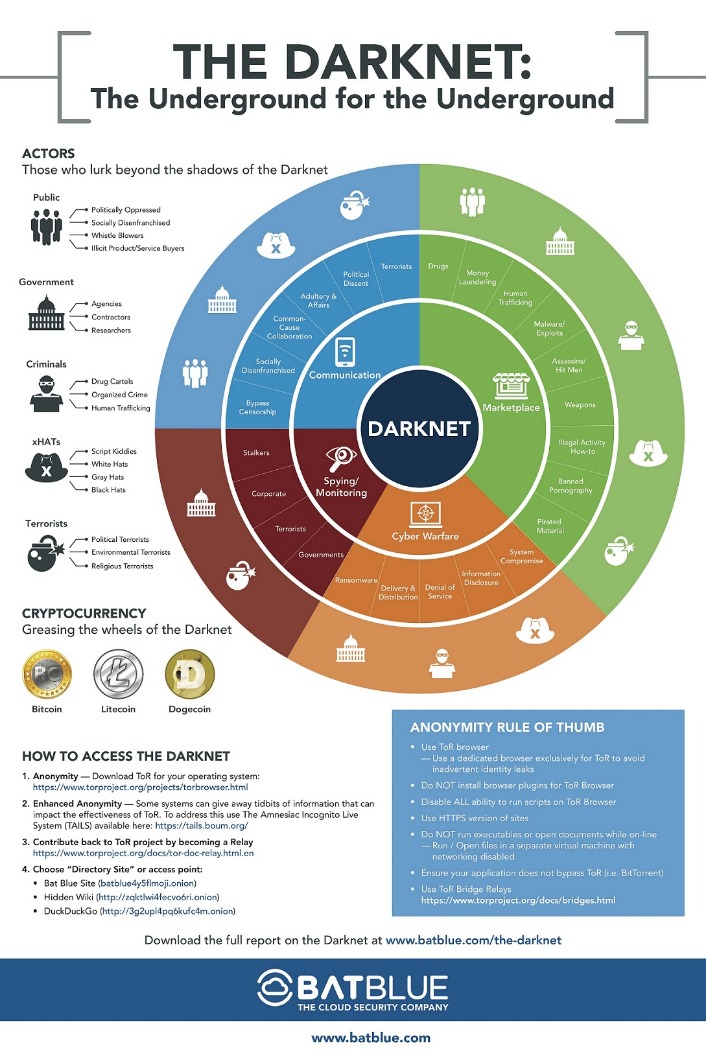
Popular Darknet Addresses
Numerous darknet addresses have become notorious over the years. Some notable examples include:
- Silk Road – Once the most famous darknet marketplace for illegal goods.
- AlphaBay – A significant competitor to Silk Road, known for its vast array of offerings.
- Reddit on the Darknet – Communities that discuss various topics often have their own private areas accessible via specific darknet addresses.
The Risks Involved
While the allure of the darknet can be enticing, it is crucial to recognize the risks associated with engaging in this hidden web. Law enforcement agencies actively monitor illegal activities online, and users can easily become targets for hackers or scammers. Moreover, accessing certain darknet addresses can lead to unintentional involvement in criminal activities.
Conclusion
The world of darknet addresses is both fascinating and dangerous. While it provides a space for anonymous communication and has potential benefits, the prevalence of illegal activities cannot be overlooked. Users must navigate this elusive part of the internet with caution, maintaining awareness of the associated risks and challenges. Understanding the nature and implications of darknet addresses is vital for anyone considering exploring this hidden digital landscape.