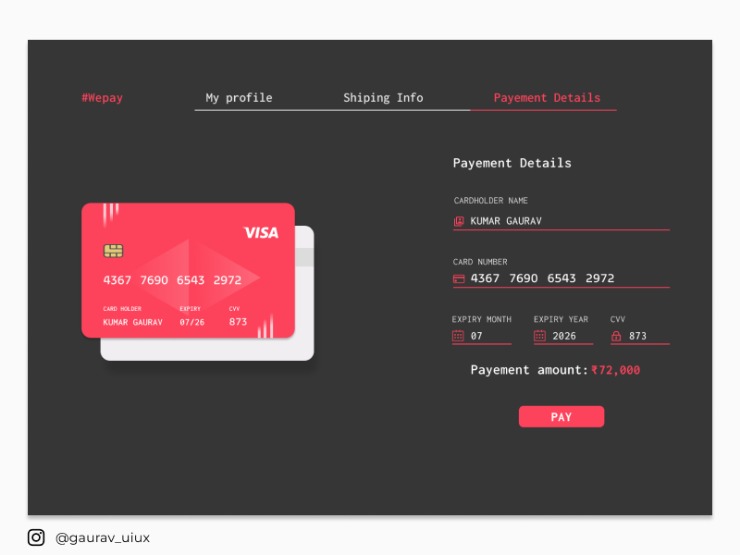
Buyers can purchase these card details and use them to make fraudulent transactions or resell them to others looking to capitalize on stolen identities. But why would anyone want to buy credit cards on the Dark Web? “Hackers used to sell cards in a ‘dump’ that includes 50 or 100 credit cards, and you would have to figure out which one” was still active, says Wilson. Cybercriminals tend to rely on cryptocurrencies for their online transactions—for example, when purchasing stolen card data.
The dark web is a hidden part of the internet that hosts a range of illicit activities, including the buying and selling of stolen credit card information. This underground network operates under a veil of anonymity, where cybercriminals trade sensitive data that can result in financial losses for unsuspecting victims. Understanding how credit card dark web links function is crucial for securing personal information in today's digital landscape. This article explores the risks associated with these links and how individuals can protect themselves.
Understanding Credit Card Dark Web Links
Credit card dark web links typically lead to marketplaces where stolen credit card information is exchanged. These links often use complex URLs and can be found on forums or specific platforms dedicated to illicit activities. The data can vary in quality and value, depending on several factors:
- Card type: Visa, Mastercard, American Express, etc.
- Validity: Active versus inactive cards.
- Geographical location: Cards from certain regions may be more valuable.
- Personal information: Additional data like names and addresses can increase card value.
How Credit Card Dark Web Links are Used
Criminals utilize credit card dark web links to purchase and sell stolen information. Here's how the process generally works:
- Data Breaches: Personal and financial information is stolen from companies.
- Listing for Sale: The stolen data is then posted on dark web forums or marketplaces.
- Transaction: Buyers acquire this information, often paying with cryptocurrency.
- Fraudulent Activities: The buyer uses the cards for unauthorized purchases.
Risks Associated with Credit Card Dark Web Links
The dangers of credit card dark web links are extensive and can have long-lasting impacts, including:
- Identity Theft: Stolen credit card data can lead to unauthorized charges and identity theft.
- Financial Loss: Victims may face significant financial repercussions if their information is compromised.
- Credit Score Damage: Fraudulent activities can adversely affect credit ratings.
- Legal Issues: In some cases, victims may be involved in legal proceedings due to the misuse of their data.
How to Protect Yourself
Preventing your credit card information from being compromised and ending up on credit card dark web links involves vigilance and proactive measures. Here are some effective strategies:
- Monitor Statements: Regularly check bank statements for unauthorized transactions.
- Use Credit Monitoring Services: Consider signing up for services that alert you about suspicious activity.
- Employ Strong Passwords: Use unique, complex passwords for online accounts.
- Be Wary of Public Wi-Fi: Avoid accessing sensitive information over unsecured networks.
FAQs
1. What should I do if I find my credit card number on the dark web?
- You can also limit your risk by being picky about your ATMs, where criminals sometimes install card skimming devices.
- I’ve seen cases where security teams identified compromised card data from their institution appearing on the dark web weeks before they traced the actual breach point.
- The “surface web” is the portion of the World Wide Web that is readily available to the general public and is searchable with standard search engines, such as Google and Bing—but the surface web accounts for only 4 to 10 percent of the internet, according to various estimates.
- Originally, this service established its credibility on the Dark Web by successfully processing funds stolen from Zelle accounts, charging 55% next-day payout.
- While consumers are typically protected from direct financial losses, dealing with credit card fraud is incredibly disruptive.
If you discover your credit card number on the dark web, immediately report it to your bank and consider freezing your account. Monitoring your accounts closely will also help catch any unauthorized transactions quickly.
2. How do I know if my information is on the dark web?
There are tools and services available that can check if your data has been compromised. Many credit monitoring services include dark web scanning as part of their offerings.
3. Is it illegal to buy or sell credit card information on the dark web?
Yes, trading in stolen credit card information is illegal and can result in severe criminal charges for both buyers and sellers.
Understanding the intricacies of credit card dark web links assists individuals in safeguarding their information. With proactive measures, one can navigate the digital landscape with greater security and awareness.