The world of online transactions has brought about immense convenience, but it has also given rise to a darker side: the credit card black market. This clandestine arena is not just a crime; it's a thriving ecosystem where stolen credit card information is bought and sold with alarming ease. Understanding these credit card black market websites is crucial for raising awareness about identity theft and cybercrime.
A dump of hundreds of thousands of active accounts is aimed at promoting AllWorld.Cards, a recently launched cybercriminal site for selling payment credentials online. Internet criminals buy and sell personal data on the dark web to commit fraud. From Social Security numbers to bank logins and medical records, cybercriminals buy and sell stolen data every day.
Some vendors sell additional information about the cardholder, denominated by the term “fullz”. Some vendors even sell lists of “cardable” sites for a few dollars. Carders tend to target specific sites that don’t have VBV or other protections against fraud. Verified by Visa is a service that prompts the cardholder for a one-time password whenever their card is used at participating stores.
- The offers on the site do not represent all available financial services, companies, or products.
- Between October 2022 and February 2023, the BidenCash marketplace published 3.3 million individual stolen credit cards for free to promote the use of their services.
- They show recent purchases, account balances, and spending trends all in one place.
- Do not use your real name, email address, or any information that can be traced back to your actual identity.
- Many of these sites offer guarantees on the validity of the cards and will provide a valid replacement if it is blocked.
- You can also limit your risk by being picky about your ATMs, where criminals sometimes install card skimming devices.
How the Black Market Operates
Suppliers and buyers communicate directly, something that is not so common in other markets.Thanks to its real-time inventory updates and highly specific search options, STYX has become a real alternative to traditional large markets. With constant updates and new providers entering the market, Exodus is positioning itself as a major player in the digital underworld of credential theft. In addition, they have a referral and reward system, so if you bring in more users, you get a share. Each of these “bots” represents a compromised device, and prices for access range from $3 to $10, depending on the quality and freshness of the data.However, it works by invitation only and is accessed through several mirrors on the Tor network. Since then, Exodus has filled that void with a clean interface, super-detailed filters for searching specific records, and support for payments in Bitcoin, Monero, and Litecoin.One of its strengths is that it claims to manage more than 7,000 active bots in over 190 countries. It also has a rating system for sellers and automatic payments.However, in 2019, it suffered a major leak of more than 26 million records, which was a serious blow to its reputation.
The credit card black market websites function similarly to regular e-commerce platforms but operate in secrecy. These sites often feature a range of stolen credit cards, personal identification information, and even services to help launder the proceeds of crime. Buyers typically seek out stolen cards to make purchases or even resell them, creating a cycle of fraud.
Types of Goods and Services Offered
- However, with the right approach and tools, individuals can discover these hidden marketplaces.
- The digital monetary system online is predominately operated by the likes of Paypal, Western Union, and banking companies that try to follow government regulations to prevent fraud and money laundering.
- The exposed data included customer names, addresses, and purchase details.
- This market is fueled by the ease of online transactions and the difficulty of law enforcement to track down the sellers.
- A computer is able to "make thousands of guesses a second,” Briedis said. “After all, criminals don’t target specific individuals or specific cards. It’s all about guessing any viable card details that work to sell."
On credit card black market websites, one can find various categories of stolen information. Some of the more common offerings include:
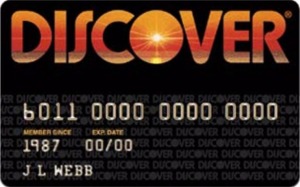
- Stolen credit card data – Complete details including the card number, expiration date, and CVV code.
- Fullz – Packages that include an individual’s personal information along with their credit card details.
- Bots and scripts – Tools to automate fraudulent purchases or to bypass security measures on e-commerce sites.
Data Breaches and Their Aftermath
The supply of stolen information primarily comes from data breaches, which have become increasingly common. When organizations suffer these breaches, hackers often turn to credit card black market websites to offload their findings. The stolen data is then sold at a fraction of its original value, making it accessible for would-be criminals.
Security Risks for Consumers
For everyday consumers, the implications of the credit card black market are severe. Victims of credit card fraud often face lengthy disputes with financial institutions, and their credit ratings can suffer long-term damage. It’s essential for users to remain vigilant about their personal information and monitor their credit reports closely.
Legal Consequences
Engaging with credit card black market websites is illegal and carries severe penalties. Law enforcement agencies worldwide are cracking down on these activities, leading to arrests and prosecutions. Individuals caught buying or selling stolen credit card information can face substantial fines and even imprisonment.
Protecting Yourself
To safeguard against the risk of becoming a victim, consider adopting the following practices:
- Use strong, unique passwords for each of your online accounts.
- Enable two-factor authentication wherever possible.
- Regularly monitor bank statements for unusual activity.
The credit card black market remains a significant threat in the digital age, with its reach growing as technology evolves. Awareness and education are the first steps toward combatting this issue, empowering consumers to take necessary precautions.