The dark web offers a hidden layer of the internet, where anonymity reigns and users can explore content not indexed by traditional search engines. While it has garnered a reputation for illegal activities, the dark web also hosts a variety of legitimate services and communities. Understanding how to browse the dark web safely and responsibly is essential for anyone interested in diving into this obscure digital realm.
What is the Dark Web?
The dark web refers to parts of the internet that cannot be accessed using standard web browsers. It requires specific software, configurations, or authorization to access. Here are some key features of the dark web:
- Anonymity: Users can remain anonymous, which is both a benefit and a risk.
- Access Restrictions: Content is typically restricted and requires special tools such as Tor or I2P.
- Variety of Content: From anonymous forums to market places, the dark web offers a diverse range of sites.
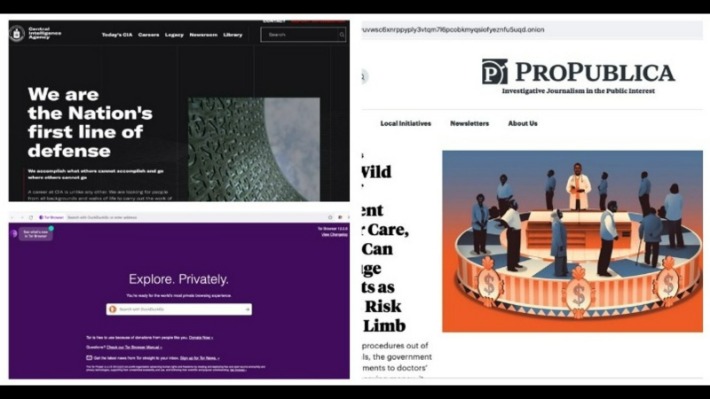
Likewise, some websites allow Tor, but with frequent Captchas that can be annoying. You can also use it if you don’t want your network administrator or ISP to be aware of your Tor usage. You can use a VPN if you’re in a country that restricts or heavily monitors Tor usage. A little typo can lead you to a clone designed to trick users into handing over sensitive data. Onion sites end in “.onion” instead of “.com,” “.co,” “.net,” etc. If so, it’s better to use the onion address instead of the standard one.
Unlike the surface web, the dark web is a part of the internet not indexed by conventional search engines. Before we explain how to venture into this part of the internet, we need to see what you’re setting yourself up for. Use Tor to visit Onion sites and you’re all set.
How to Safely Browse the Dark Web
To browse the dark web safely, it’s crucial to take certain precautions:
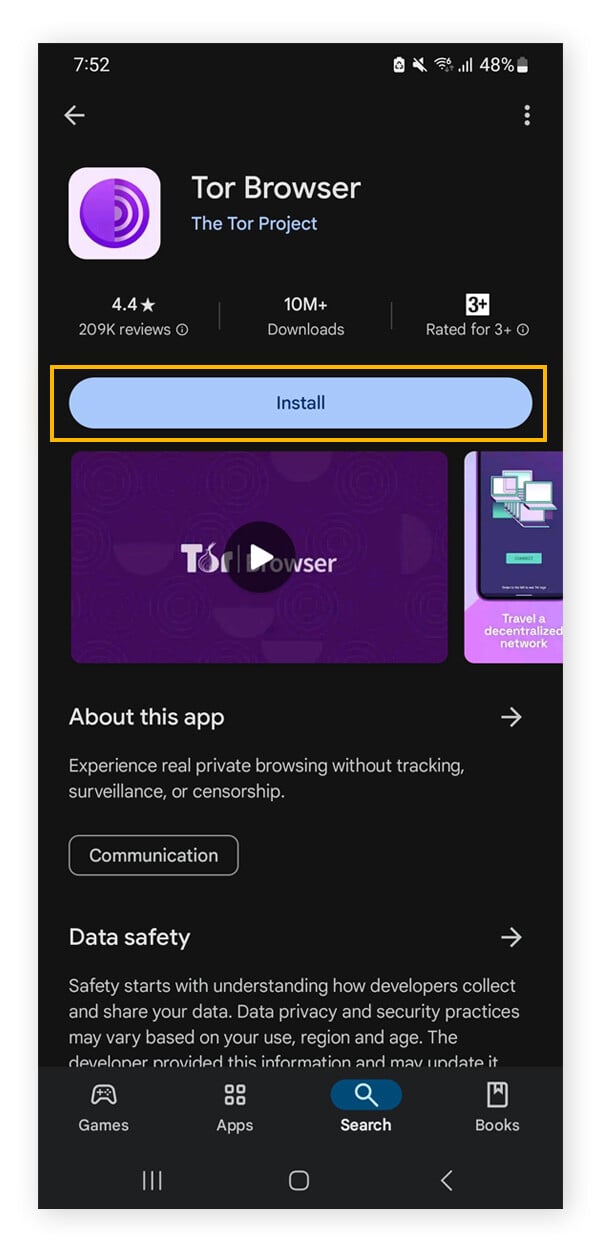
- Download the Tor Browser: This is the most common way to access dark web sites.
- Use a VPN: Protect your IP address and encrypt your internet connection for added security.
- Be Cautious: Avoid sharing personal information and be wary of unknown sites.
- Stick to .onion Sites: These are specifically designed for use on the Tor network and are safer to visit.
Common Uses of the Dark Web
- "The Tor network is another network which sits on top of the TCP/IP internet, stitching the participating computers together into a wholly new network 'space', not IPv4, not IPv6, but 'Onion Space'."
- Again, we can’t emphasize enough that security and anonymity are paramount to those on dark websites.
- It can take a little while to load and it’s not as intuitive as other systems.
- Since you’ve now installed the Tor browser, you can safely browse dark web websites and other (previously) hidden websites.
- Countries such as China (and its famous "Great Firewall" blocks) may monitor citizens at the Internet Service Provider (ISP) level; if you are using Tor, the usage alone may appear in your records.
While the dark web is often associated with illegal activities, there are several legitimate uses:
- Privacy-focused Communication: Journalists or activists can communicate without fear of surveillance.
- Research: Some researchers use the dark web to study cyber crime and other related phenomena.
- Whistleblowing: Platforms like SecureDrop allow whistleblowers to share sensitive information safely.
FAQs About Browsing the Dark Web
Q1: Is it illegal to browse the dark web?
A1: Accessing the dark web itself is legal, but engaging in illegal activities while there is not.
Q2: Do I need special software to access the dark web?
A2: Yes, tools like the Tor Browser or I2P are necessary to access .onion websites.
Q3: Can my ISP track my dark web activity?
A3: While a VPN can help hide your activity from your ISP, they can still see that you are using Tor.
Pursuing the mysteries of the dark web can be both exhilarating and risky. Understanding how to browse the dark web safely can lead to uncovering a wealth of information that remains hidden from the wider internet, but users must tread carefully to navigate the potential dangers lurking within.