The darknet database market represents a hidden and complex segment of the online ecosystem, thriving within the vast realms of the dark web. Here, illicit information—including stolen personal data, financial records, and sensitive corporate information—trades hands under a veil of anonymity. This article delves into the characteristics, risks, and implications of this underground economy.
Darknet markets trace their origins to the early 2000s, with the advent of Tor in 2002 by the U.S. First off, ramping up their cybersecurity efforts is a must, which means setting up strong firewalls, keeping software up to date, and using multi-factor authentication (MFA) to add extra security. In fact, some of the most profitable illegal digital products on the dark web are crypto accounts, online banking credentials, and e-wallets. These days, the types of illicit goods and services available have become far more advanced and dangerous. These platforms also often have built-in encryption for communications and transactions, making it hard for law enforcement to track down the individuals involved. Furthermore, darknet users rarely draw so much attention to themselves.
- Roughly 500,000 users regularly frequent darknet marketplaces, where over 37 percent of purchases likely result in further crimes.
- In 2024, the platform grew significantly in popularity, partly because of its strategic acquisition of users from a number of recently shut-down marketplaces, such as AlphaBay and Incognito Market, which had recently closed their doors.
- Ever since Silk Road went down, several dark web marketplaces have kept coming and several of them shut down again.
- However, the website has some security risks, and users experience glitches.
- Darknet marketplaces represent a significant underground economy operating on the Tor network.
What is the Darknet Database Market?
As cyberattacks and data breaches intensify in 2025, the volume of exposed credentials indexed on the dark web has reached unprecedented levels. 🧩 These statistics reveal the scale, anonymity, and sophistication of dark web operations—and why proactive dark web monitoring is no longer optional. Whether you’re defending an enterprise environment or conducting digital forensics, data from the dark web is often the first sign of an incoming breach. This includes domains, stolen credentials, leaked configurations, and shadow assets. While both are used for illicit activity, the differences are significant. If attackers circulate your credentials or data, compromise may already be underway.
The darknet database market comprises platforms and forums where individuals can buy and sell illegal data. Unlike the surface web, which is indexed and accessible through standard search engines, the darknet requires special software like Tor to access. This anonymity promotes a culture where illicit activities can occur with fewer consequences.
Key Features of the Darknet Database Market
- Anonymity: Transactions are often done using cryptocurrency, making it hard to trace movements.
- Variety of Data: The market offers an array of databases, from health records to credit card information.
- Demand-driven: Sellers adjust their offerings based on what buyers are actively seeking.
Types of Data in the Darknet Database Market
The types of data accessible on the darknet database market include:
- Personal Identifiable Information (PII): Names, addresses, phone numbers, and Social Security numbers.
- Financial Information: Credit card details and bank account information.
- Corporate Data: Trade secrets, employee records, and confidential company documents.
- Medical Records: Health details that can be sold for identity theft or fraudulent claims.
The Risks Involved
Engaging in or exploring the darknet database market carries significant risks, not only for buyers and sellers but also for society at large:
- Legal Consequences: Participating in illicit transactions could lead to severe legal repercussions.
- Identity Theft: Victims of data breaches may face financial loss and emotional distress.
- Cybersecurity Threats: Malware and scams abound in these markets, putting users' systems at risk.
FAQs about the Darknet Database Market
1. How can data be verified in the darknet database market?
Verification is tricky. Many sellers will offer samples or testimonials, but there's always a risk of receiving false data.
2. What protective measures can users take?
- Use VPNs: Enhance anonymity by masking your IP address.
- Be Cautious: Don't click on unknown links or download files from untrusted sources.
3. Is all data sold on the darknet illegal?
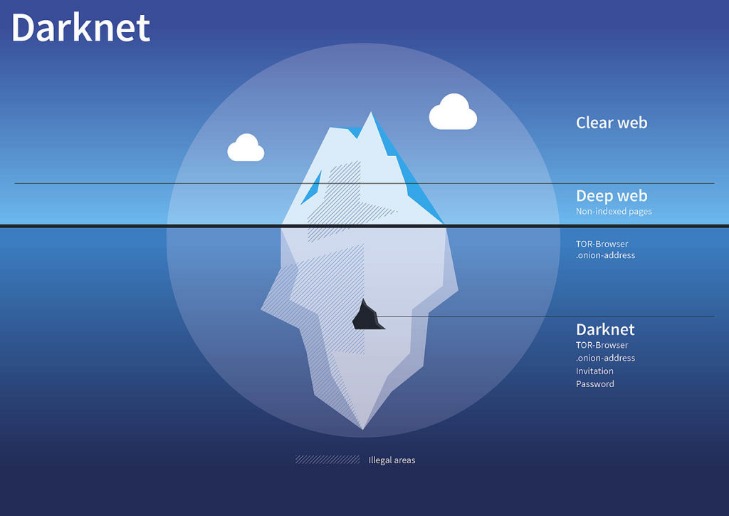
While the majority of data transactions are illicit, some users may share data for educational purposes or to expose security flaws in systems.
Conclusion
The darknet database market is a stark reminder of the vulnerabilities present in our digital society. As cyber threats continue to evolve, understanding this market becomes pivotal for both individuals and organizations striving to protect sensitive information. Awareness and vigilance are key in navigating the complex landscape of the darknet and safeguarding against its far-reaching implications.