What’s more, they can also sell you personal information on the dark web as your personal data has a monetary value on the dark web. Then, they can use your data to impersonate you and run social engineering attacks to target your loved ones. Suppose you share your name, social security number, or any other personally identifiable information on any dark website. You can check our guide on the best VPN services to find the right VPN solution to protect your privacy. This prevents anyone—including your ISP—from knowing that you’re using the Tor network.
All darknets require specific software installed or network configurations made to access them, such as Tor, which can be accessed via a customized browser from Vidalia (aka the Tor browser bundle), or alternatively via a proxy configured to perform the same function. The term "darknet" is often used interchangeably with "dark web" because of the quantity of hidden services on Tor's darknet. Technology such as Tor, I2P, and Freenet are intended to defend digital rights by providing security, anonymity, or censorship resistance and are used for both illegal and legitimate reasons. Two typical darknet types are social networks (usually used for file hosting with a peer-to-peer connection), and anonymity proxy networks such as Tor via an anonymized series of connections. A darknet or dark net is an overlay network within the Internet that can only be accessed with specific software, configurations, or authorization, and often uses a unique customized communication protocol.
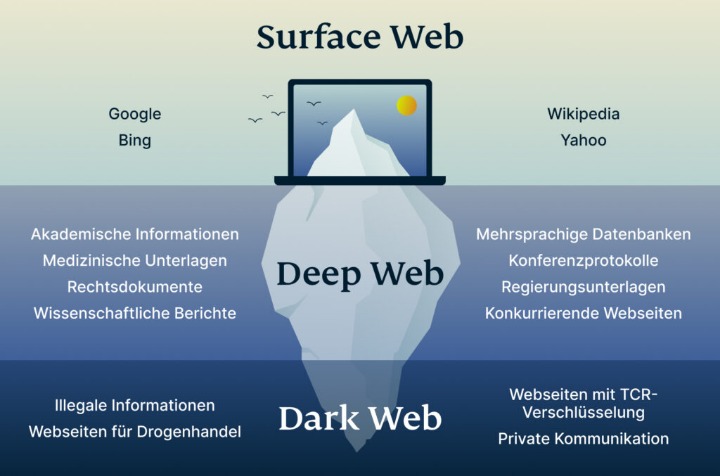
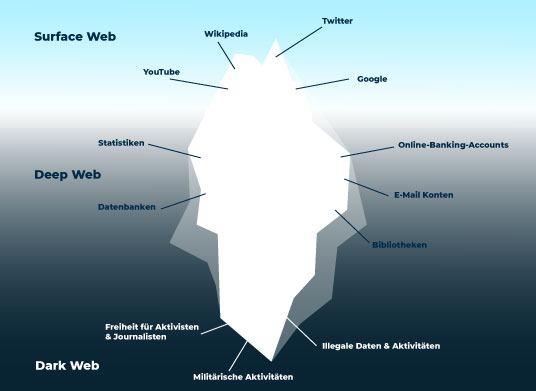
The darknet is often shrouded in mystery, attracting curiosity due to its hidden nature and the activities that occur away from the watchful eyes of the mainstream internet. Darknet addresses, typically ending in .onion or .i2p, provide gateways to this clandestine part of the web. These addresses are not indexed by traditional search engines and can only be accessed through specific software like Tor or I2P. In this article, we will explore what darknet addresses are, how they function, and their implications for internet users.
Understanding Darknet Addresses
Darknet addresses are unique identifiers that are essential for navigating the anonymous services available on the darknet. These addresses ensure that users can access content without revealing their identity. Below are some key characteristics:
- Anonymity: Addressing is done anonymously, allowing users to conduct activities without traceability.
- Access through Specialized Software: To visit darknet addresses, users must download specific browsers like Tor for .onion addresses.
- Non-Indexed: Unlike the surface web, these addresses are not easily searchable.
How to Access Darknet Addresses
To access a darknet address, follow these steps:
- Download and install the Tor browser from the official website.
- Open the Tor browser and use it to navigate to the desired .onion address.
- Ensure that your security settings are properly configured to enhance anonymity.
Common Uses of Darknet Addresses
- Stay informed about the latest darknet marketplaces, secure browsing practices, and privacy tools.
- Like Freenet, I2P has its own dark web that consists of websites ending in b32.i2p.
- It is the dark web’s version of Wikipedia with a massive links directory.
- Abacus Market offers an extensive array of illegal goods and services across various categories, making it one of the most versatile marketplaces on the dark web.
- Also, there’s a vast amount of unsavory content on the dark web, as well as a significantly high number of hackers and scammers looming on the platform.
Darknet addresses host a wide variety of content, which includes both legal and illegal activities. Some common uses are:
- Anonymous Communication: Forums and chat rooms for whistleblowers and activists.
- Marketplace: Platforms for trading illicit goods, including drugs and stolen information.
- Political Activism: Bypassing censorship in oppressive regimes.
Risks Associated with Darknet Addresses
While accessing darknet addresses can provide a means of anonymity, there are several risks involved:
Legal Risks
Engaging with illegal activities on the darknet can lead to severe legal consequences.
Security Risks
Not all darknet resources are safe. Users may fall victim to scams or malware.
FAQs about Darknet Addresses
Here are some frequently asked questions:
1. Are all darknet addresses illegal?
No, not all darknet addresses are used for illegal purposes. Some are platforms for privacy-focused communication or activism.
2. Can I access the darknet without Tor?
Accessing .onion addresses typically requires the Tor browser, as they are specifically designed for this network.
3. What is the difference between .onion and .i2p addresses?
.onion addresses are specific to the Tor network, while .i2p addresses pertain to the I2P network, another form of anonymous browsing.
Conclusion
Darknet addresses serve as portals to a complex and often perilous world. Understanding their purpose and the risks involved is crucial for anyone seeking to explore this hidden web. While the anonymity provided can be a double-edged sword, knowledge and caution can guide users through its intricate landscape. Whether for exploration or utility, the importance of darknet addresses in contemporary digital discourse cannot be overlooked.