Mitigate risks from illicit activities on darknet markets and safeguard your organization from cybercriminals operating in hidden online spaces. In this blog, we’ll take a closer look at how these hidden markets operate and the implications they have for cybersecurity and law enforcement. Despite their controversial nature, these marketplaces continue to evolve, offering a glimpse into the darker side of online commerce. The darknet marketplace is home to a plethora of illegal and legal activities. It’s one of the largest darknet markets that launched in 2022 and trades sensitive financial credential transactions.
The dark market has emerged as a fascinating yet concerning part of the digital landscape. Often associated with illicit activities, these online marketplaces operate outside the reach of conventional regulatory frameworks. They rely on cryptocurrencies for transactions, which adds a layer of anonymity for both sellers and buyers. While mainstream e-commerce platforms prioritize safety and customer satisfaction, the dark market thrives on risk and often illegal goods and services. This article delves into the nature, functioning, and implications of dark markets.
Thus, communication between darknet users is highly encrypted allowing users to talk, blog, and share files confidentially. Due to the high level of encryption, websites are not able to track geolocation and IP of their users, and users are not able to get this information about the host. Identities and locations of darknet users stay anonymous and cannot be tracked due to the layered encryption system. The dark web is the World Wide Web content that exists on darknets (overlay networks) that use the Internet, but require specific software, configurations, or authorization to access. It had members worldwide who were involved in buying and selling stolen financial information, such as credit card data, login credentials, and equipment to carry out financial crimes.
Malware is also easily available for purchase and is used by cybercriminals to access account details or for activities such as cryptomining. Whichever way you look at it, it’s clear that the darknet offers opportunities to many, be they regular citizens or hackers and cybercriminals. However, thanks to its encrypted cloak of invisibility, the darknet inevitably attracts some of the shadier sides of life, although opinions are divided as to the scale of it. You can start to understand this a little better when you consider the needs of citizens in war-torn regions or countries where freedom of expression is restricted. We advance human rights and defend your privacy online through free software and open networks”.
Understanding the Dark Market
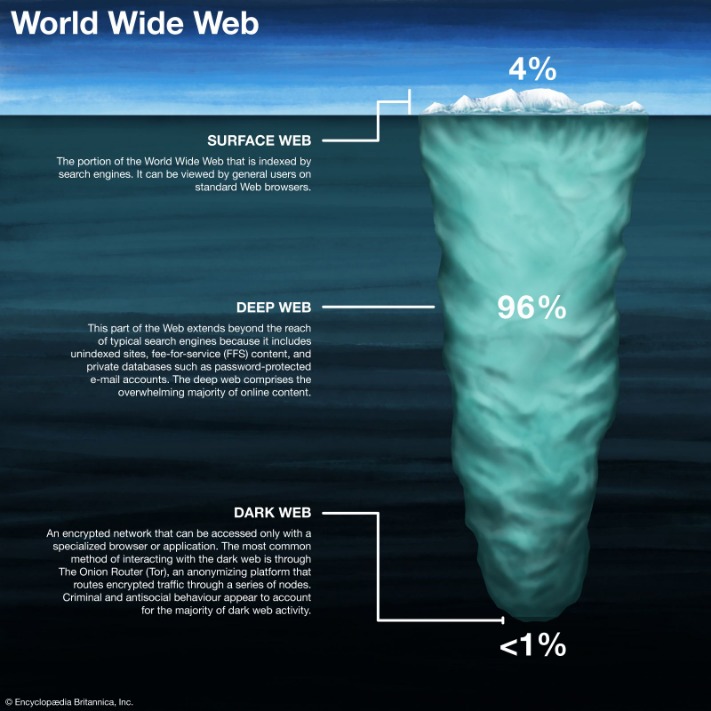
At its core, the dark market is a portion of the internet that is not indexed by traditional search engines. Accessed through special software such as Tor, these markets can be a haven for the sale of illegal items ranging from drugs to counterfeit goods. The difficulty in tracking activities on the dark market makes it attractive to those seeking anonymity.
Types of Goods and Services
The range of offerings in the dark market is broad. Users can find:
- Illegal drugs – The most common type of product, often sold by vendors with questionable reputations.
- Hacking services – Includes everything from website defacement to full-scale data breaches.
- Stolen data – Personal information, credit card numbers, and login credentials are bought and sold.
- Counterfeit products – From fake luxury items to forged documents.
The Anonymity Factor
- In countries including India and Nepal, the price of fuel is set by the government, and it is illegal to sell the fuel at a higher price.
- For some users — like journalists or whistleblowers — the dark web is about identity protection.
- The discontinued Helix Bitcoin tumbler offered direct anonymized marketplace payment integrations.
- Just as important, AlphaBay’s Bitcoin transactions totaled well over $1 billion.
- Unlike the deep web private or unindexed pages, the dark web specifically refers to sites requiring special software Tor to access.
- When trying to get access to the black market, it’s a good idea to use a separate computer or a dedicated virtual machine for dark web exploration.
One of the primary attractions of the dark market is the anonymity it provides. Buyers and sellers utilize cryptocurrencies such as Bitcoin to obscure their identities. This creates a transactional environment where privacy is paramount, but it also raises significant ethical concerns about the consequences of such anonymity. Law enforcement agencies have struggled to penetrate these markets due to the sophisticated technologies employed to protect users.
Risks and Threats
Engaging in the dark market comes with substantial risks. Users face potential scams, where products may not be delivered as promised, or they could receive items that are harmful or dangerous. Additionally, purchasing illegal goods poses legal ramifications, including arrest or prosecution. Cybersecurity threats abound, as hackers may target individuals utilizing these sites, stealing personal data or infecting devices with malware.
Dark Markets and Law Enforcement
Governments worldwide have started taking the dark market issue seriously, with various operations aimed at shutting down major platforms. High-profile takedowns, such as Silk Road and AlphaBay, have made headlines, but the continuous evolution of these markets means that new platforms arise quickly. Law enforcement has become more sophisticated in tracking cryptocurrency transactions, though the dark market remains a persistent challenge.
The Future of Dark Markets
The landscape of the dark market is likely to evolve with advancements in technology. Innovations in blockchain and anonymous payment systems may further complicate enforcement efforts. As society grapples with the implications of online anonymity, discussions around regulation, ethics, and security will become increasingly important.
In conclusion, the dark market represents a complex interplay of desire for privacy, criminal activity, and the constant battle between innovation and regulation. As more individuals venture into this shadowy world, understanding its dynamics becomes crucial for anyone engaged in the digital arena.