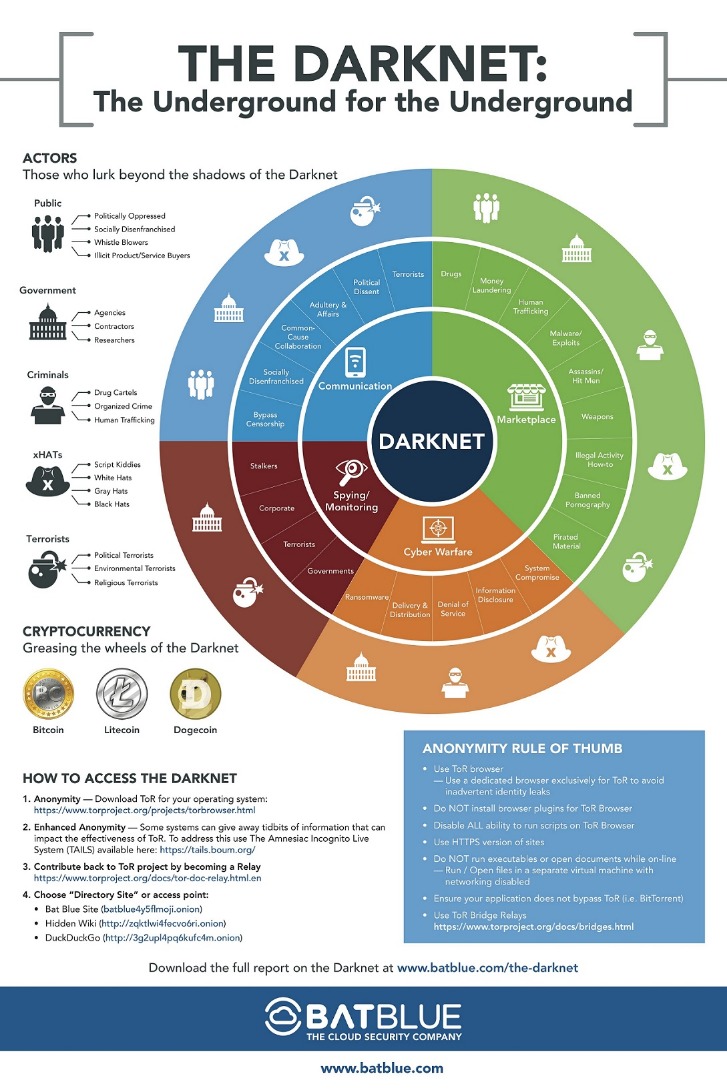
The darknet market Deep Dot Web has gained notoriety for its role in facilitating transactions that circumvent traditional legal and financial systems. Operating within the dark corners of the internet, it provides a platform for users to buy and sell a variety of goods and services, often associated with illegal activities. This article explores the workings of Deep Dot Web, its features, and the controversies surrounding such darknet markets.
What is the Darknet?
These addresses cannot be resolved by conventional DNS servers, contributing to the hidden nature of darknets. When accessing a website through Tor, the connection is bounced through multiple nodes, obscuring the source of the traffic. Tor routes internet traffic through a series of volunteer-operated servers, each referred to as a ‘node’. Cybercriminals use these platforms to traffic in stolen data, execute targeted ransomware attacks, and collaborate on advanced hacking techniques.
The darknet consists of parts of the internet that are not accessible through standard web browsers. To access darknet markets like Deep Dot Web, users must utilize specialized software, such as Tor, which anonymizes their online activity. This anonymity attracts a range of users, from those seeking privacy to others engaging in illegal activities.
Markets such as AlphaBay Market have hosted a significant share of the commercial fraud market, featuring carding, counterfeiting and many related services. Many vendors list their wares on multiple markets, ensuring they retain their reputation even should a single market place close. In May 2014 the "Deepify" service attempted to automate the process of setting up markets with a SAAS solution; however, this closed a short time later. The discontinued Helix Bitcoin tumbler offered direct anonymized marketplace payment integrations. Many sites use Bitcoin multisig transactions to improve security and reduce dependency on the site's escrow. On March 21, 2018, Reddit administrators shut down the popular subreddit /r/DarkNetMarkets citing new changes to their content policy that forbids the sale of "Drugs, including alcohol and tobacco, or any controlled substances".
- But it also contains other news and religious sites, private discussion forums, and medical records.
- In fact, restrictive governments understand this better than just about anybody else, which is why Facebook’s services are regularly blacked-out during elections and demonstrations.
- It is easily accessible by the general public and requires no special configuration.
- Many sites use Bitcoin multisig transactions to improve security and reduce dependency on the site's escrow.
- The blockchain analysis company studied cryptocurrency flows from these underground marketplaces and fraud shops over the past year.
- The creators assert that because their technique is so strong, even malware with root access could not determine the machine’s IP address.
Features of Deep Dot Web
- Anonymity: Transactions on Deep Dot Web are often conducted using cryptocurrencies, which provide a layer of privacy and security for users.
- Diverse Offerings: A wide range of products can be found on Deep Dot Web, including illicit drugs, hacking services, and counterfeit goods.
- User Feedback: A rating system allows buyers and sellers to leave feedback, promoting trust within the marketplace.
- Forums and Community: Users often engage in discussions on forums, sharing information and experiences related to their transactions.
How Does Deep Dot Web Work?
Understanding how Deep Dot Web operates is crucial for recognizing the implications of darknet markets. Here’s a simplified overview of the process:
- Marketplace url is also added to our hidden marketplace list
- Chainalysis also noted that some markets are openly advertising their wares in Russia, with giant 3D billboards (Kraken Market) and QR codes on subway trains (Mega Darknet Market).
- For this reason, it is imperative that anybody searching the Dark Web takes great care to stick to topics and categories that are risk-free.
- Anonymity of the dark web is one of the main draws for using onion sites, and most dark web links use a “.onion” domain.
- That information is hidden simply because most users won’t find it relevant.
- Tor works by directing internet traffic through a global network of volunteer nodes.
- Access: Users must download the Tor browser to access the site.
- Account Creation: Registration is often required, which may involve the use of anonymous email services.
- Browsing: Users can browse through categories of goods and services offered by various vendors.
- Purchasing: Transactions are made using cryptocurrencies, making them difficult to trace.
- Delivery: Vendors typically ship physical products discreetly or provide digital goods through encrypted channels.
Risks and Controversies
While Deep Dot Web and similar platforms may attract those seeking privacy or alternative marketplaces, they also present significant risks:
- Legal Issues: Participation in illegal activities can result in prosecution.
- Scams: Users may encounter fraudulent vendors or lose money in transactions that do not deliver as promised.
- Cybersecurity Threats: There is a heightened risk of malware and hacking attempts when engaging with dubious websites.
FAQs About Deep Dot Web
Q: Is using Deep Dot Web illegal?
A: While accessing the site itself is not illegal, purchasing illegal goods is against the law.
Q: How can I protect myself while using darknet markets?
A: Utilize a trustworthy VPN, ensure that your antivirus software is up to date, and never share personal information.
Q: Are there alternatives to Deep Dot Web?
A: Yes, there are various other darknet markets, but they all come with similar risks and legal implications.
In conclusion, the Deep Dot Web serves as a significant example of both the capabilities and perils of the darknet. While it caters to a demand for privacy and alternative services, the inherent risks and legal ramifications highlight a darker side of digital commerce that cannot be ignored.