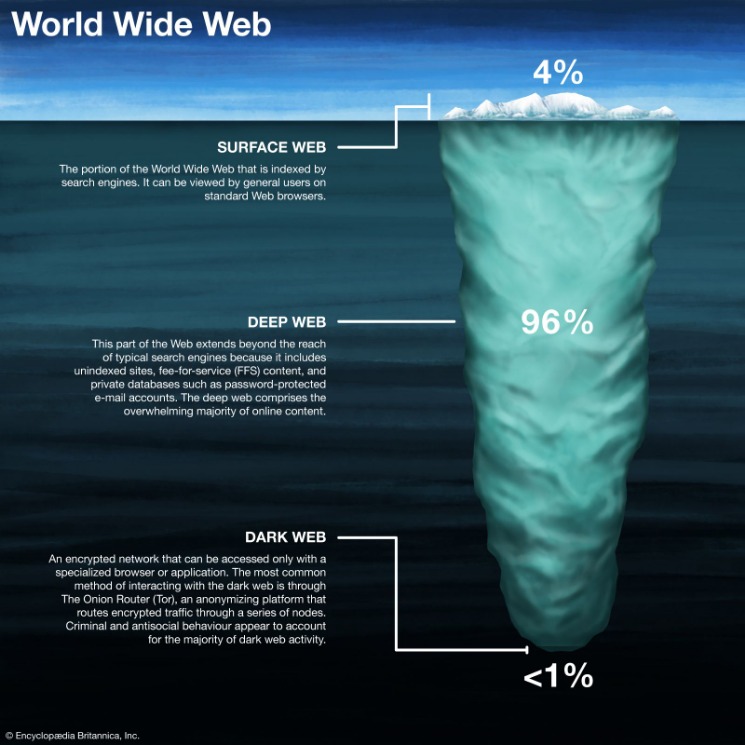
The darknet has become a breeding ground for illicit activities, among which carding stands out as a significant threat to consumers and financial institutions alike. Carding refers to the practice of using stolen credit card information to make unauthorized purchases. Within the underbelly of the internet, numerous darknet carding sites facilitate these illegal activities, providing a marketplace for the exchange of stolen data.
Understanding Darknet Carding Sites
Its focus on financial fraud and high-value transactions has attracted a dedicated user base, contributing to its growing reputation and market value. In 2024, the platform grew significantly in popularity, partly because of its strategic acquisition of users from a number of recently shut-down marketplaces, such as AlphaBay and Incognito Market, which had recently closed their doors. After AlphaBay closed, Abacus Market took its place as the world’s largest underground darknet marketplaces. Regularly monitoring the top dark web markets gives your SOC team an insider’s view of the latest malware and phishing kit trends, plus real-time knowledge related to relevant compromised PII. Understanding what happens in these marketplaces is an important part of dark web monitoring.
In fact, there are growing concerns about law enforcement monitoring what is happening on the dark web. Government authorities across the globe are taking over many Tor-based sites. Here are some of the common dark web dangers that users can face. Because of this, some people use it to get around government restrictions, while others use it for illegal activities like smuggling drugs and weapons. Your online activity and communicationsremain private and secret on the dark web. For example, perpetrators of trafficking and cyber attacks use the dark web to disguise their actions.
Darknet carding sites operate on hidden networks, typically accessible only through specialized software such as Tor. They host a variety of services, enabling criminals to obtain stolen credit card information, personal identification details, and hacking tools. Often password-protected or requiring an invitation to join, these sites create a sense of exclusivity and illicit community.
Common Features of Darknet Carding Sites
- Forums: Many of these sites feature discussion forums where users can share tips, ask questions, and negotiate deals for stolen data.
- Marketplace: Some websites have a built-in marketplace where traders can buy and sell stolen credit card details, false identities, and hacking tools.
- User Reviews: Feedback systems allow buyers to assess the reliability of sellers, which is crucial in a trust-based marketplace.
- Payment Methods: Transactions are often conducted using cryptocurrencies, enhancing anonymity and complicating traceability.
How Darknet Carding Works
Using darknet carding sites generally involves a few steps:
- Acquisition of Data: Cybercriminals get hold of sensitive information through various means, such as phishing, data breaches, or malware.
- Accessing Carding Sites: Users access these hidden platforms using tools like Tor, and register to gain access to forums and marketplaces.
- Buying/Selling: Sellers post listings for stolen data, while buyers navigate through options, often comparing prices and seller reputations.
- Utilization: Once purchased, the buyer may use carding methods to make fraudulent transactions, which can include purchasing goods or transferring funds.
Risks Associated with Darknet Carding
Engaging with darknet carding sites carries significant risks:
- Legal Consequences: Participating in carding activities is illegal and can lead to severe penalties, including fines and imprisonment.
- Scams: Many users fall victim to scams where they receive nothing but stolen goods or data that are unusable.
- Security Risks: Engaging with these sites can expose users to malware and hacking attempts, putting their personal information at risk.
- "Cobs" or changes of billing are highly valued, where sufficient information is captured to allow redirection of the registered card's billing and shipping addresses to one under the carder's control.
- However, note that the site only uses non-sensitive and public data for the metrics.
- Adding fullz to a card purchase increases the price by about $30 for a physical card and under a dollar for digital card info.
- Trump’s Dumps was another prominent carding site specializing in selling raw magnetic strip data from compromised cards – commonly referred to as “dumps” by carders.
- These systems can often identify when stolen card data is being tested before major fraud attempts begin.
FAQs about Darknet Carding Sites
What is the purpose of darknet carding sites?
The primary purpose is to facilitate the buying and selling of stolen credit card information and other related illicit activities.
How do I access a darknet carding site?
Accessing a darknet site typically requires special software like Tor, along with an understanding of how these networks function.
Are all carding sites scams?
While many sites are scams, there are those that operate within a risky environment, where members may gain legitimate access to stolen data. However, the risk of fraud is exceptionally high.
- Even without monitoring your browsing activities, DuckDuckGo will offer decent answers to your questions.
- Darknet carding sites operate in a hidden segment of the internet, only accessible through special software like Tor.
- While a VPN adds valuable protection, being selective about which sites you visit and never sharing personal information are equally important.
- A reliable VPN encrypts your traffic before it enters the Tor network, preventing surveillance from your ISP or malicious actors.
Can law enforcement track darknet carding activities?
Although darknet offers some level of anonymity, law enforcement agencies have increasingly been successful in infiltrating and dismantling networks associated with carding.
Awareness and understanding of darknet carding sites are crucial for both potential victims and law enforcement. As the digital landscape changes, so too do the methods and means through which criminals exploit vulnerabilities for financial gain. Protecting personal information and practicing safe online behaviors remain vital in mitigating these threats.