Tor is slower than standard browsers because it routes your traffic through multiple servers. You can also use it if you don’t want your network administrator or ISP to be aware of your Tor usage. You can use a VPN if you’re in a country that restricts or heavily monitors Tor usage. Whenever you enter any domain into the address bar, your browser uses HTTP to find and request the data from the relevant server. A little typo can lead you to a clone designed to trick users into handing over sensitive data.
The dark web is a labyrinth of hidden online spaces that exist beyond the reach of traditional search engines. Among its intricate corners, a new breed of applications—known as dark web apps—has emerged, attracting both curious explorers and those seeking illicit activities. This article delves into what these apps are, their functionalities, and the implications of engaging with them.
Understanding the Dark Web
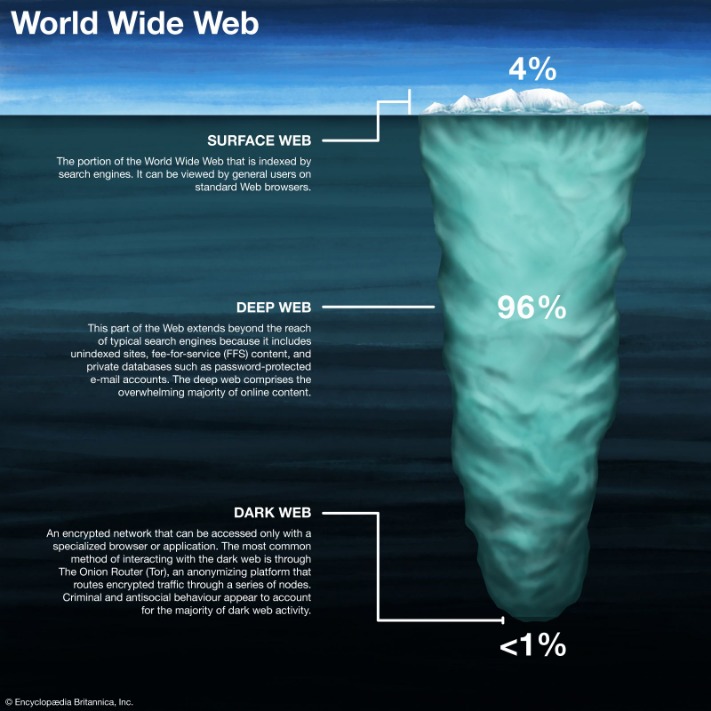
To appreciate the role of dark web apps, it's essential to grasp the broader concept of the dark web itself. Often confused with the deep web, the dark web refers specifically to parts of the internet that require special software, configurations, or authorization to access. These areas are often obscured and offer a level of anonymity to users, making them a haven for a variety of activities.

- The Tor Project also offers the Tails operating system for users who prefer a complete privacy solution for accessing the dark web safely.
- The University of California, Berkeley researched the size of the deep web.
- These packages are intended for developers who need to bundle tor with their applications.
- All web traffic gets relayed through a huge network of open connections worldwide.
Tor Browser already comes with HTTPS-Only mode, NoScript, and other patches to protect your privacy and security.
What Are Dark Web Apps?

Dark web apps are software tools designed to function exclusively within the dark web environment. They provide a range of functionalities, from communication to marketplace transactions. Unlike regular apps operating on the surface web, dark web apps may facilitate more nefarious activities, such as drug trafficking, weapon sales, and data trading. However, there are also legitimate uses for these applications, such as enabling privacy for whistleblowers and journalists operating in repressive regimes.
Types of Dark Web Apps
The spectrum of dark web apps is vast, each serving distinct purposes:
- The deep web is every part of the internet that is not indexed by search engines, like private messages from your social media or your online banking portal.
- DuckDuckGo offers an .onion version of its search engine, while Sci-Hub offers access to millions of scientific articles and papers.
- This creates a faster and privacy-focused browsing experience without any configuration.
- It makes up about 6% of the internet, and it’s where you find everything from illegal marketplaces to forums for whistleblowers.
- It prevents users from IP leaks, keystroke deanonymization, time attacks and data collection techniques.
- Communication Tools: These apps allow users to communicate securely and anonymously. Platforms such as Tor Messenger enable encrypted messaging.
- Marketplaces: Typically, these are anonymous shopping websites where users can buy and sell illicit goods. Silk Road was one of the most notorious examples.
- File Sharing: Some apps facilitate secure file exchanges, often used for sharing sensitive information without the risk of detection.
The Technologies Behind Dark Web Apps
Dark web apps often rely on specific technologies to maintain user anonymity and security. The most common platform is Tor (The Onion Router), which routes user traffic through a network of servers, masking the user's IP address. Additionally, many of these apps implement strong encryption methods to protect data from prying eyes.
Risks Associated with Dark Web Apps
While dark web apps offer a unique space for certain activities, they come with inherent risks:
- Legal Consequences: Engaging with illegal marketplaces can expose users to law enforcement investigations.
- Scams and Fraud: The anonymity of the dark web attracts many scammers, putting users at risk of losing money or personal data.
- Malware Threats: Many dark web apps contain malware that can compromise devices and steal sensitive information.
Conclusion
The world of dark web apps is both fascinating and fraught with peril. While they provide opportunities for anonymity and privacy, they also harbor risks and illegal activities. Users must exercise caution and understand the impact of their actions while navigating these hidden realms of the internet. Whether for mundane or illicit purposes, the implications of using dark web apps are profound and far-reaching.