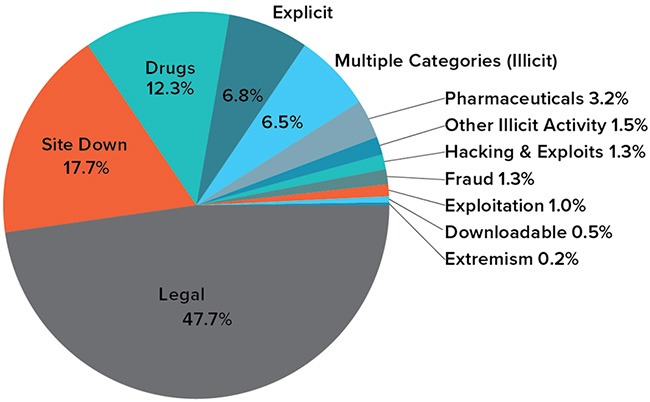
The darknet has long been a hub for various illicit activities, providing a shielded environment for users to buy, sell, and trade a plethora of goods and services. Among the myriad of platforms that have emerged, darknet markets stand out as some of the largest and most popular venues. This article explores the biggest and most infamous darknet markets, shedding light on their offerings and operational methods.
In 2023, Chainalysis discovered that some popular fraud shops rely on payment processors as a way to reduce their own costs, add efficiency to their operations, and perhaps add a layer of security to transactions. On the fraud shop’s website, cybercriminals could comb through hundreds of thousands of bots on its robust user interface (UI), filtering results by criteria like country or searching for credentials tied to a particular domain name. As it retrieved data from malware-infected computers, Genesis sold victims’ online footprints — which it called “bots” — on its market. In 2019, the FBI started its investigation into Genesis Market and enlisted other government agencies and law enforcement organizations across the world, working towards the market’s closure on April 4, 2023. This includes purchases such as malicious software and supporting services which cybercriminals sometimes make using escrow services on crime forums. U.S. customers predominantly purchase drugs from these groups that are known to have used crypto to source fentanyl precursor chemicals from labs based in China.
1. Silk Road
Silk Road was arguably the first and most notorious darknet market, launched in 2011. It revolutionized the way illegal goods were purchased online, focusing primarily on narcotics. Using Bitcoin to maintain anonymity, Silk Road attracted a massive user base. However, its reign ended in 2013 when law enforcement shut it down, arresting its founder, Ross Ulbricht. Despite its closure, the legacy and influence of Silk Road are still felt across the darknet.
- Vortex is one of those markets that aims to stand out by being user-friendly, secure, and anonymous.
- This growth, supporting its #8 rank, increases its 30,000+ listings and $6M monthly trades, securing a 9% share.
- These rankings highlight the heavy hitters among hidden trading platforms, focusing on the most influential Tor-based marketplaces steering the deep web trade scene.
- There are RDP accesses, SMTP logins, SSH credentials, fake pages, and even fraud tutorials.
2. AlphaBay
Following the shutdown of Silk Road, AlphaBay emerged as a leading darknet marketplace. Launching in 2014, it quickly became a go-to platform for buyers and sellers of everything from drugs to counterfeit documents. AlphaBay operated until 2017 when it was taken down by international law enforcement. The market was known for its user-friendly interface and comprehensive feedback system, which helped facilitate trust between users.
- Vice City Market lands at #9 in our 2025 darknet rankings, a drug-heavy platform with an easy-to-use edge that shines in the anonymous trade scene.
- Take control of your digital security with an exclusive demo of our powerful threat management platform.
- In May 2024, Ticketmaster faced a significant data breach affecting millions of customers.
- Always withdraw your funds rather than leaving them in a market’s wallet.
- Cybersecurity researchers have uncovered a dangerous tool causing a stir on the dark web and within
3. Dream Market

Dream Market is another significant player in the darknet landscape. Established in 2013 and surviving the takedown of many of its competitors, Dream Market provided a vast array of illegal goods and services. It was known for its robust security measures and utilized Escrow for transactions to protect buyers. However, in 2019, it abruptly went offline, leaving many users in confusion and frustration.
4. Empire Market
Following the closure of several prominent markets, Empire Market quickly filled the void in 2018. It became a favorite among darknet users due to its diverse offerings and user-friendly interface. Empire Market operated on a principle of decentralization, prioritizing user safety and anonymity. However, reports of its closure began circulating in early 2021, and by mid-2021, it ceased operations entirely.
5. Berlusconi
Berlusconi may not be as well-known as some of its predecessors, but it carved out a niche for itself in the darknet market ecosystem. Launched in 2019, it offered a selection of illegal items, including drugs and counterfeit goods. Its rise was relatively quick, but like many others, it faced scrutiny from law enforcement and had to deal with various security challenges.
6. Hydra
Hydra is particularly unique in the darknet scene as it primarily serves Russian-speaking users. Launched in 2015, it has grown into one of the largest darknet markets, focusing on the sale of drugs, stolen data, and other illicit items. Its longevity and continued success can be attributed to its intricate structure and inherent trust policies, which have made it a safer space for transactions.
Conclusion
The world of darknet markets is ever-evolving, with new players emerging and established markets falling to law enforcement interventions. While these platforms have attracted attention for their illegal activities, they have also raised questions about privacy, security, and the future of commerce on the internet. Understanding their operations and the dynamics at play is crucial for anyone looking to navigate or comprehend this shadowy side of the web.