We are committed to ensuring that our website is accessible to everyone. By embedding these standards into their security framework, organizations can minimize their exposure, fortify their defences and stay one step ahead of cybercriminals. Recognizing the risks and implementing cybersecurity measures to identify, protect, defend, respond and recover from attacks is your first line of defence.
The dark web is often shrouded in mystery and intrigue, serving as a hidden part of the internet that requires special tools for access. Unlike the surface web, which is easily navigable through standard search engines, the dark web comprises a vast network of sites that are intentionally hidden and can only be accessed using specific software. This article delves into the various aspects of dark web access, its purposes, and essential safety measures for navigating this obscure digital realm.
What is the Dark Web?
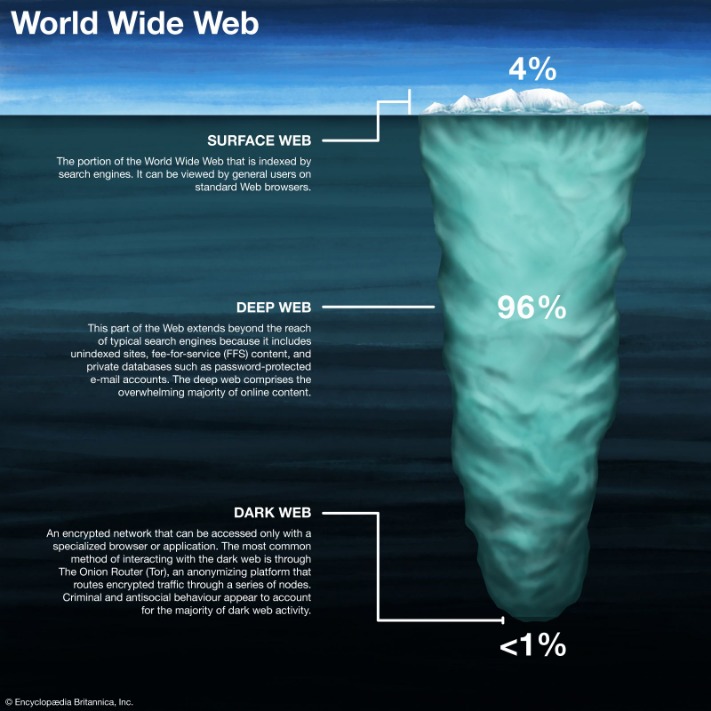
The dark web is a segment of the internet that cannot be accessed through conventional browsers. It is part of the deep web, which includes all web pages not indexed by standard search engines. To reach this hidden area, users typically employ Tor (The Onion Router) or similar software, which anonymizes their connection and provides the ability to access .onion websites.
How to Access the Dark Web
Accessing the dark web involves several steps to ensure both functionality and safety:
- Download Tor Browser: This specialized browser is designed to access the dark web securely. It encrypts your internet traffic and masks your IP address.
- Use a VPN: While Tor offers anonymity, using a Virtual Private Network adds an extra layer of security by further obfuscating your location and online activities.
- Find Reliable Links: Dark web links can be difficult to find and are often shared on forums or communities that discuss dark web topics. Always exercise caution when clicking on these links.
Purposes of the Dark Web
The dark web serves a multitude of purposes, ranging from the legitimate to the illicit. Some people use it to communicate anonymously in oppressive regimes, while others might seek out illicit materials.
Key purposes include:
- Privacy Protection: Activists and whistleblowers often turn to the dark web to share information without risking their safety.
- Illicit Activities: The dark web is known for hosting illegal marketplaces for drugs, weapons, and stolen data.
- Forums and Communities: Many users connect with peers over hobbies, including technology, literature, and privacy advocacy.
Risks of Dark Web Access
While there are legitimate uses for the dark web, it is not without its dangers. Users face several risks, including:
- Malware and Scams: Many sites on the dark web are riddled with malicious software designed to steal data or compromise devices.
- Legal Troubles: Engaging in illegal activities can lead to serious legal consequences.
- Exposure to Harmful Content: The dark web can host disturbing and illegal content that might be harmful to see.
- Deep web constructs can include all those private company databases, academic portals, and all your password-protected accounts.
- This internet space can be dangerous, but you can safely get on it by using a VPN and then connecting to Tor.
- Attackers can use tools like keyloggers to gather your data, and they can infiltrate your system on any part of the web.
- These pages are open to everyone and don’t require any special tools to access.
- One study found that only 6.7% of Tor anonymity network daily users — a cohort that comprises mostly dark web users — connect to onion sites used for illicit activity.
Staying Safe While Accessing the Dark Web
To navigate the dark web safely, users should follow several guidelines:
- Maintain Anonymity: Do not share personal information, and use pseudonyms if needed.
- Avoid Downloading Files: Many files available on the dark web can be riddled with malware.
- Use Reputable Resources: Access forums or guides that provide trustworthy information about safe dark web browsing.
Conclusion
Accessing the dark web can be an enlightening experience that uncovers hidden corners of the internet, but it also comes with significant risks. By understanding how to access it securely and what potential dangers await, users can explore this enigmatic part of the internet while protecting themselves from harm.