The dark web has become a notorious space for illicit activities, among which carding stands out as a particularly alarming phenomenon. In simple terms, carding refers to the practice of using stolen credit card information for fraudulent purchases, often facilitated through underground online marketplaces. As more individuals explore the dark web, understanding how carding operates can provide valuable insights into the security risks and the methods used by cybercriminals.
It made around $4.1 million since its establishment in October 2017 according to Elliptic’s internal data. Precise figures are difficult to calculate due to Ferum’s sporadic use of a payment processor. Integrated blockchain data for every workflow. The threat actor behind the AllWorld Cards marketplace has a clear goal in mind. Some vendors even sell lists of "cardable" sites for a few dollars. Credit card prices also vary depending on the brand, with American Express being worth the most at 5.13 cents per dollar.
What is Carding?
Carding involves the exploitation of stolen financial information to carry out unauthorized transactions. This practice typically occurs in various stages:
"We saw one threat actor commenting that, although now would be a 'great time' if 'someone has long wanted to retire,' the carding world would 'be ok for the rest of the hard workers.'" Others suggest that the future of carding will move to other platforms, like Telegram – although not all users trust the instant messaging service. On January 2022, a message appeared on a prominent carding forum stating that the Russian Internal Affairs Ministry had shut down the site as part of a "special law enforcement operation".
- Data Acquisition: Cybercriminals acquire card details through hacking, phishing, or buying from other illicit sources.
- Test Transactions: They often conduct small transactions to verify that the card information is valid.
- Large Purchases: Once confirmed, the criminals use the card for larger purchases, often targeting high-value items.
The Dark Web Marketplace
Several marketplaces on the dark web specialize in carding. These platforms serve as hubs where stolen credit card information is bought and sold. Common features of these marketplaces include:
- Anonymous Transactions: Users can operate behind a veil of anonymity, making it challenging for law enforcement to track activities.
- Variety of Products: Alongside credit card details, these markets often offer various stolen data packages, including personal information.
- Community and Support: Many sites foster a community around carding, offering advice and resources for better fraud techniques.
Risks Associated with Carding
Engaging in carding poses severe risks, not only to victims but also to the perpetrators. Some of these risks include:

- Legal Consequences: Cybercriminals face serious penalties if caught, including fines and imprisonment.
- Loss of Resources: Participation in illegal activities can lead to financial loss, especially with unreliable sellers on the dark web.
- Personal Safety: The dark web can be a dangerous place, with users potentially facing threats from other criminals.
Protecting Yourself from Carding
Individuals can take several preventive measures to safeguard against carding:
- Monitor Statements: Regularly checking bank and credit card statements can help spot unauthorized transactions early.
- Use Secure Methods: Employing virtual cards, two-factor authentication, and secure passwords can reduce the risk of data theft.
- Stay Informed: Being aware of the latest scams and tactics used by cybercriminals can provide better protection.
FAQs
- Sources include phishing scams, infostealer malware, compromised point-of-sale systems or breached databases.
- The reviews published on Wizcase are believed to be accurate as of the date of each article, and written according to our strict reviewing standards that prioritize professional and thorough examination by the reviewer, taking into account the technical capabilities and qualities of the product together with its commercial value for users.
- This guide will cover what businesses should know about carding, including how it works and how to protect themselves.
- This latest pack is the fourth credit card dump the carding market has released for free since October 2022, with the previous leaks counting 1.22 million, 2 million, and 230,000 cards.
- It shares both free samples and premium packages containing stolen login details from platforms such as Google, YouTube, and advertising networks.
- Interestingly, a major part of the carding ecosystem revolves around education.
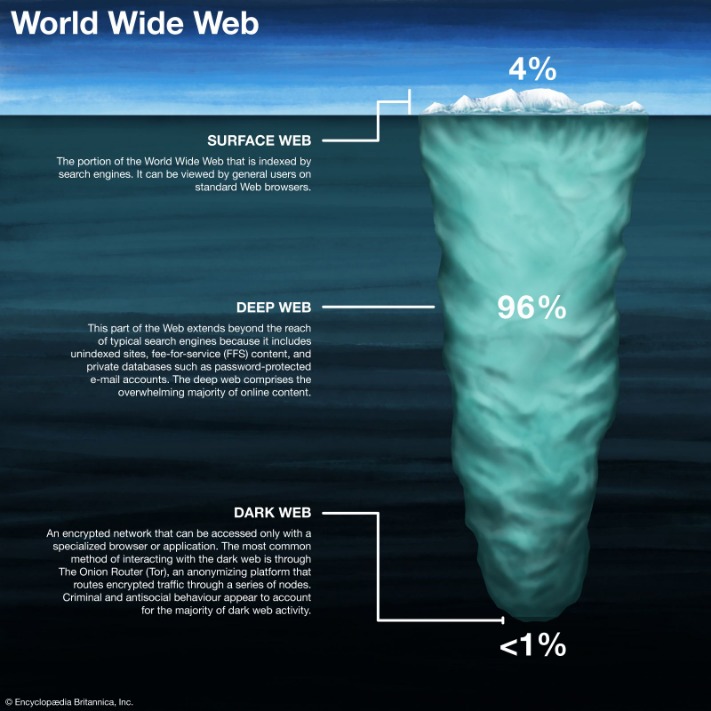
Q: What is the dark web?
A: The dark web is a part of the internet that isn't indexed by traditional search engines, often associated with illegal activities and anonymity.
Q: How do I know if my card details have been compromised?
A: Look for unauthorized transactions on your account statements or receive alerts from your bank regarding suspicious activities.
Q: Can law enforcement track carding activities?
A: Yes, while the dark web offers anonymity, law enforcement agencies have methods to track illegal activities and apprehend cybercriminals.
Understanding the landscape of carding on the dark web is essential for awareness and protection against the potential threats posed by this illegal activity. With adequate knowledge and preventive measures, individuals can better guard their financial information and navigate the digital age more safely.